
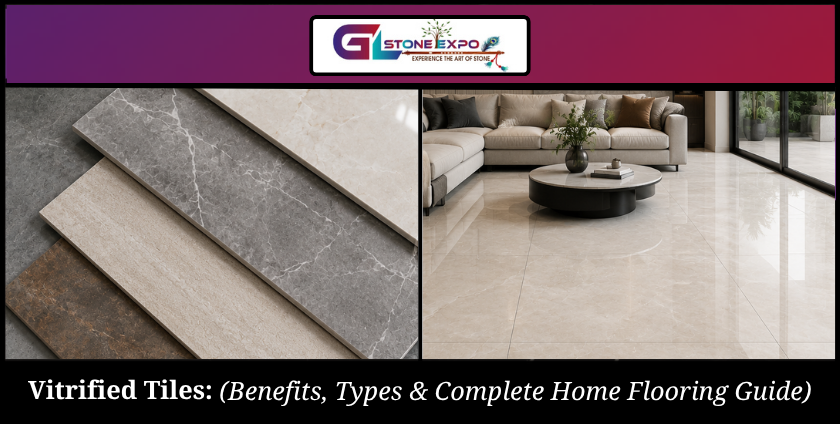
Vitrified Tiles: Benefits, Types & Complete Home Flooring Guide
When you walk into a home that just “feels right,” you usually aren’t looking at the floor first. You’re looking at the light, the furniture, or the art. But the floor is doing all the heavy lifting. It’s the visual anchor of the entire space.
After years of walking through half-finished construction sites and polished design showrooms, I’ve realized one thing: the floor is the only part of your interior design that you interact with physically every single second you’re home.
Choosing the right material isn’t just a technical box to tick; it’s an investment in how your home breathes and ages. They offer a blend of permanence and artistry that wood or laminate simply can’t replicate. Whether you are a homeowner picking out your first kitchen backsplash or a contractor looking for a reliable tiles supplier in Hyderabad understanding the soul of this material is the key to a successful build.
What Exactly Is a Tile? (And Why It Matters)
At its most basic, a tile is a manufactured piece of hard-wearing material like ceramic, stone, metal, or glass. However, for most residential and commercial projects, we are looking at clay-based materials that have been fired in a kiln.
The beauty of a tile lies in its transformation. It starts as earth and minerals, and through intense heat, becomes a surface that is virtually impervious to the chaos of daily life—spilled wine, muddy paws, and the scraping of heavy furniture.
The Evolution of the “Standard” Square
In the past, tiles were limited by the technology of the kiln. You were stuck with small 2*2 squares that felt repetitive. Modern manufacturing has changed the game. We now see “slabs” that mimic massive sheets of natural stone and “planks” that look so much like oak you’d have to get on your hands and knees to tell the difference.
Choosing Your Weapon: Ceramic vs. Vitrified
If you’ve spent any time researching, you’ve hit the wall of terminology. Let’s strip away the jargon and look at what these materials actually do for your space.
Ceramic Tiles: The Artistic All-Rounder
Ceramic is the traditionalist’s favorite. Made from red or white clay, these ceramic tiles are fired at lower temperatures than vitrified versions.
- The Best Use Case: They are perfect for walls and low-traffic areas. Because the clay is softer, it’s easier to cut into intricate shapes, making it the ideal choice for decorative bathroom walls or creative kitchen backsplashes.
- Expert Insight: I always recommend ceramic for vertical surfaces. It’s lighter, which means less stress on your wall adhesive, and the glaze colors often have a depth that feels more “handmade.”
Vitrified Tiles: The Indestructible Foundation
Vitrification is a process that turns the tile into a glass-like, non-porous state. By mixing silica, quartz, and feldspar into the clay and firing it at blistering temperatures, you get a tile that is incredibly dense.
- The Best Use Case: This is your “forever floor.” Because vitrified tiles have almost zero water absorption, they don’t stain easily and can handle the weight of heavy appliances and constant footfall.
- The Hybrid (GVT): Glaze Vitrified tiles are the current darlings of the design world. They combine the strength of a vitrified body with a top layer of digital printing, allowing for hyper-realistic textures.
Why Tiles Beat the Competition
I often have clients ask why they shouldn’t just go with hardwood or luxury vinyl. Those materials have their charms, but in a climate that fluctuates between intense heat and monsoon humidity, tiles offer three distinct advantages:
1. Thermal Regulation
In places with high ambient temperatures, tiles act as a heat sink. They stay cool to the touch, providing a natural “passive cooling” effect for your feet. If you are working with a tiles supplier in Hyderabad, you know that keeping a house cool during a 45°C summer is a priority—tiles are your best ally here.
2. Hygiene Without Effort
Unlike carpet, which traps dust mites, or wood, which can harbor mold in the seams, tiles are hypoallergenic. They are chemically inert, meaning they don’t emit Volatile Organic Compounds (VOCs), contributing to better indoor air quality for your family.
3. Lifecycle Value
A high-quality vitrified floor is a 20-to-30-year investment. While the upfront cost might be higher than some synthetic options, the cost-per-year is significantly lower because they require zero refinishing and very little maintenance beyond a damp mop.
Real-World Scenarios: Choosing for the Space
Let’s look at how a professional approaches different rooms:
- The “Wet” Entryway: In a foyer where people walk in with wet shoes, you want a tile with a “matte” or “lapatro” finish. A high-gloss floor in an entryway is a slip hazard waiting to happen.
- The Open-Plan Living Area: To make a home feel larger, use a single type of large-format tile throughout the living room, dining area, and hallways. This removes the visual “breaks” and makes the entire floor look like one continuous piece of stone.
- The Feature Wall: Don’t be afraid to go bold. A textured ceramic tile in a deep emerald or a geometric pattern can turn a boring hallway into the focal point of the house.
The Contractor’s Secret: It’s All in the Installation
A premium tile can look like a budget disaster if it isn’t installed correctly. Here are three things I always tell my builders to watch for:
- Leveling Systems: For large tiles, use a leveling clip system. It prevents “lippage”—those annoying tiny height differences between tiles that catch your toe.
- Grout Color Matters: Don’t just settle for standard white. Matching the grout color to the tile makes the floor look seamless; using a contrasting color makes the grid pattern pop.
- The “Dry Run”: Before the adhesive goes down, lay out a few boxes of tiles to check the pattern. This ensures you don’t end up with two identical “marble veins” sitting right next to each other.
Finding the Right Partner
Success in any renovation or build depends on the quality of your supply chain. You want a partner who doesn’t just sell you a box, but understands the technical specifications of the material. Whether you’re looking for a specific aesthetic or a high-performance industrial grade, finding a reputable tiles supplier in kokapet, Hyderabad ensures that you’re getting material that is suited for the local environment and installation standards.
Conclusion
Tiles are more than just a surface to walk on; they are the backdrop to your life. They catch the morning sun, they survive the spills of a busy dinner party, and they keep your home cool and clean. When you choose your flooring, look past the price tag and the temporary trends. Look for the material that speaks to how you actually live.
After all, a good floor shouldn’t just be something you see—it’s something you should be able to trust for a lifetime.
Frequently Asked Question – (FAQs)
Which tiles are best for home flooring?
Vitrified tiles are a popular choice for home flooring because they are durable, stain-resistant, easy to maintain, and suitable for high-traffic areas.
What is the difference between ceramic and vitrified tiles?
Ceramic tiles are ideal for walls and light-use areas, while vitrified tiles are stronger, less porous, and better suited for floors and heavy daily use.
Which tile finish is best for flooring?
Matte finish tiles are best for flooring because they provide better grip and are suitable for both indoor and outdoor spaces.
Are vitrified tiles easy to maintain?
Yes. Vitrified tiles require minimal maintenance and can be cleaned easily with regular sweeping and mopping.
How do I choose the right tiles for my home?
Choose tiles based on the room, foot traffic, finish, durability, and overall design to ensure they meet both functional and aesthetic needs.


Leave a Reply