
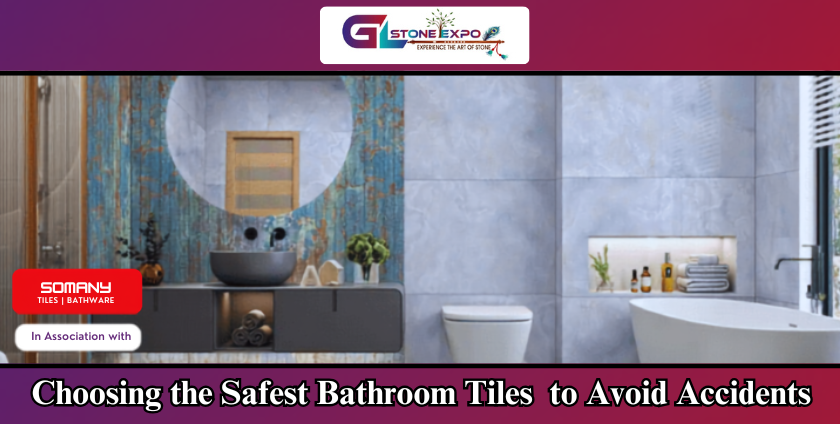
Choosing the Safest Bathroom Tiles to Avoid Accidents
Safety isn’t exactly the “sexy” part of interior design, but it’s the foundation of a space that actually works. Whether you’re an architect planning a high-end villa or a homeowner looking for a bathroom tiles supplier in Kokapet understanding the science of slip resistance is the difference between a spa-like sanctuary and a high-risk zone.
In this guide, we’re cutting through the marketing jargon to look at what actually makes a bathroom floor safe, durable, and stylish for 2026.
1. Decoding the “R” Rating: The Industry Secret
When browsing for bathroom tiles, you’ve likely seen an “R” followed by a number. This is the Ramp Test rating, and it’s the most reliable metric we have for gauging how much “grip” a tile offers.
- R9: These are fine for dry areas like bedrooms, but in a bathroom? Avoid them for the floor. They become incredibly slick with just a light mist of water.
- R10: The “sweet spot” for most residential bathroom floors. They offer a matte finish with enough friction to feel secure underfoot without being difficult to clean.
- R11 & R12: These are the heavy hitters. If you’re designing a walk-in wet room or a high-traffic commercial restroom, this is where you want to be. They have a more textured, “grainy” feel that grips even when soapy water is involved.
Expert Insight: Don’t just take a catalog’s word for it. When you visit a showroom, ask for a sample and pour a little water on it. Slide your hand across the surface—you’ll immediately feel the difference between an R9 and an R11.
2. Why Texture Trumps Gloss
High-gloss marble or polished porcelain looks stunning in photographs, but in a functional bathroom, they are rarely the right choice for the floor.
The Matte Revolution
Modern manufacturing has come a long way. You no longer have to choose between “rough sandpaper” and “slippery glass.” Honed and matte finishes tiles are the gold standard for 2026. They absorb light rather than reflecting it, which hides water spots and provides a natural micro-texture that increases traction.
The Grout Factor
Here is a tip many builders overlook: Smaller tiles mean more grout lines. Grout acts like the tread on a tire. If you use mosaic tiles or 2×2 squares in a shower area, the sheer volume of grout lines creates a naturally non-slip surface. If you’re set on large-format tiles (which are trending for their seamless look), ensure they have a high DCOF (Dynamic Coefficient of Friction) rating of at least 0.42.
3. Real-World Scenarios: Choosing the Right Material
Safety requirements change depending on who is using the space. As an industry expert, I recommend tailoring your selection to the specific “user profile”:
The Family Bathroom
- The Risk: Kids running, splashing, and leaving puddles.
- The Solution: Textured porcelain. It’s nearly indestructible, doesn’t absorb water, and can be manufactured with a “grip” finish that feels soft on bare feet but stays firm under a toddler’s step.
The Senior-Friendly Space
- The Risk: Decreased balance and slower reaction times.
- The Solution: Natural stone like slate or tumbled travertine. These materials have an inherent, organic texture (clefts) that provides superior grip. Pair these with a professional-grade sealer to keep them water-resistant.
The Luxury Suite
- The Risk: Style taking precedence over safety.
- The Solution: “Wood-look” porcelain. It gives you the warmth of timber—which is naturally non-slip—but with the waterproof benefits of vitrified. In 2026, the graining on these tiles is so realistic you can feel the “wood” texture, which provides excellent slip resistance.
4. Maintenance: The Hidden Aspect of Safety
You can buy the most expensive anti-skid tiles from a top bathroom tiles supplier in Kokapet, but if you don’t maintain them, they will eventually fail.
Soap scum and mineral deposits (limescale) create a thin, waxy film over the tile’s texture. Over time, this fills in the microscopic “peaks and valleys” that provide grip, effectively turning your R11 tile back into a slippery surface.
Pro Tip: Advise your clients (or yourself!) to use non-filming cleaners. Avoid wax-based floor polishes in the bathroom. A simple pH-neutral cleaner is all you need to keep the slip-resistant properties intact.
Choosing Your Partner in Quality
If you’re working on a project in Telangana, specifically in the burgeoning hub of Kokapet, you know that the local climate and water quality (which can be hard) play a role in tile longevity.
Finding a reliable tiles supplier in Kokapet, Hyderabad isn’t just about finding the lowest price—it’s about finding a partner who understands these technical specs. You want a supplier who can provide the technical data sheets (TDS) for their products, confirming the R-ratings and DCOF values before you commit to a bulk order.
Summary Checklist for Your Next Purchase:
| Feature | Recommendation | Why? |
| Slip Rating | R10 (Floors) / R11 (Showers) | Best balance of safety and cleaning ease. |
| Material | Glazed Porcelain | Low porosity and high durability. |
| Finish | Matte, Honed, or Textured | Increases friction without sacrificing style. |
| Size | Smaller for wet areas | More grout = More grip. |
Bathroom Tile Technical Specification Sheet
We use this template to present our material choices to clients or builders. It demonstrates that your selection is based on data, not just aesthetics.
Project Area: Master Bathroom & Walk-in Shower
Document Ref: Safety-First Specification [2026]
| Category | Specification Detail | Compliance/Standard |
| Material Type | Full-Body Vitrified Porcelain | ISO 13006 / EN 14411 |
| Slip Resistance | R10 (Dry Areas) / R11 (Shower Floor) | DIN 51130 |
| Friction Value | DCOF ≥ 0.42 | ANSI A326.3 |
| Water Absorption | < 0.5% | Impermeable to moisture/hygiene-safe |
| Surface Finish | Micro-Textured Matte / Anti-Skid Grip | Low-glare, high-traction surface |
| Grout Width | 2mm – 3mm (Epoxy Grout Recommended) | Provides secondary mechanical grip |
Architect’s Note: The specified R11 textured porcelain for the shower zone is designed to maintain traction even when submerged in soapy water. This selection eliminates the need for unsightly rubber mats.
2. The “Safe Surface” Maintenance Guide
Hand this to the homeowner upon project handover. It adds a “human touch” and protects you from liability by educating them on proper care.
Congratulations on Your New Bathroom!
To keep your high-quality tiles looking beautiful and—more importantly—slip-resistant bathroom tiles, please follow these expert maintenance tips:
- Avoid “Film-Forming” Cleaners: Do not use floor waxes, oil-based soaps (like Murphy’s Oil Soap), or “shine-enhancing” detergents. These products leave a microscopic film that fills in the tile’s texture, making it slippery over time.
- The Soap Scum Warning: In the shower, body oils and soap conditioners can build up. We recommend a weekly scrub with a pH-neutral tile cleaner and a soft-bristle brush to keep the “pores” of the tile open for maximum grip.
- Hard Water Management: If you live in an area with hard water (common in Kokapet), mineral deposits (limescale) can create a smooth surface over your textured tiles. A mild acidic cleaner (specifically for tiles) used monthly will dissolve these deposits safely.
- Microfiber is King: For daily drying, use a microfiber mop. It picks up the moisture trapped in the micro-texture of the tile much better than a traditional cotton string mop.
Conclusion
A bathroom should be a place of relaxation, not a place where you have to watch every step. By prioritizing slip resistance through R-ratings, texture, and smart material choices, you aren’t just building a room; you’re building peace of mind.
Whether you’re a homeowner renovating a single bath or a contractor managing a multi-unit development, don’t compromise on the floor. Start with safety, and the style will follow.
Which tiles are best for senior citizens?
Matte vitrified tiles and anti-skid ceramic tiles are among the best choices because they provide better grip and reduce the risk of slipping.
What tile finish is safest for elderly people?
A matte or anti-skid finish offers better traction than glossy tiles, making it a safer option for everyday use.
What R-rating is recommended for home flooring?
R10 or R11 tiles are generally recommended for residential spaces as they provide good slip resistance while remaining easy to clean.
Which tiles are best for bathrooms used by senior citizens?
Anti-skid ceramic or mosaic tiles are ideal for bathrooms because they improve grip and help reduce the risk of slips in wet areas.
How can I keep non-slip tiles effective over time?
Clean them regularly with a pH-neutral cleaner and avoid wax-based or shine-enhancing products that can reduce the tile’s natural grip.


Leave a Reply